Life After TAVI: Recovery, Precautions and Long-Term Care
If you or someone you care about has recently had a heart valve replaced and it was done without open-heart surgery you might have one question: what comes next? At our clinic we hear this question every day. The positive news is that life after TAVI is usually much simpler than most people think. So a few good habits can make sure your new valve works well for many years. In this blog we talk about recovery things to watch out for and how to take care of yourself using easy to understand words.
What Happens Right After TAVI
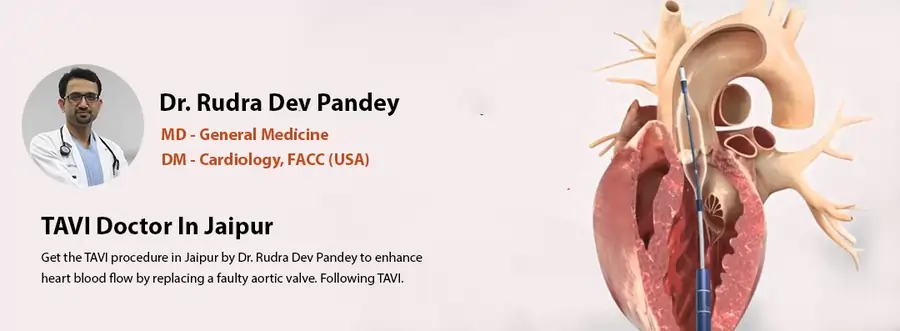
TAVI (Transcatheter Aortic Valve Implantation) replaces a narrowed aortic valve through a small puncture, usually in the leg. We do not open the chest, so recovery is faster than traditional surgery.
After the procedure, we keep you in the hospital for a few days so our team can:
- Monitor your heart rhythm and blood pressure
- Check the puncture site for bleeding or swelling
- Run blood tests and an echocardiogram to see how the new valve is working
- Help you sit up and walk, often within a day
Most patients tell us they feel lighter and breathe better soon after the procedure.
Recovery Timeline: What to Expect
Every patient heals at a different speed, but this is a general guide we share with our patients:
- First week: Rest at home, walk short distances inside the house, and keep the puncture site clean and dry.
- Weeks 2 to 4: Energy slowly improves. You can increase your daily walks and return to light household work.
- Weeks 4 to 6: Many patients feel much stronger and can restart regular routines, with our approval.
- After 3 months: Most people are back to normal activities, with better stamina than before the procedure.
Please do not compare your recovery with someone else’s. Age, other health conditions and the condition of your heart before TAVI all play a role.
Precautions to Follow at Home
A few simple precautions protect your heart and the new valve:
- Avoid lifting heavy weights until we tell you it is safe
- Do not drive until we allow it
- Keep the puncture site clean and avoid scratching it
- Never skip your follow-up visits, even if you feel completely fine
- Take care of your teeth and gums, and tell your dentist about your valve before any dental work, because infections can reach the heart
- Treat fever, sore throat and skin infections early, and do not ignore them
Medicines: Take Them Exactly as Advised
After the TAVI Procedure in Jaipur, we usually prescribe blood-thinning or antiplatelet medicines to reduce the risk of clots forming on the replacement valve. You may also need medicines for blood pressure, heart failure or cholesterol management. Never stop or change your medication on your own, even if you feel better. If you notice side effects such as unusual bruising or bleeding, contact your cardiologist so your treatment plan can be adjusted safely.
Diet and Exercise After TAVI
Your heart needs good fuel and gentle movement. We suggest:
- Eating less salt, fried food, sweets and packaged snacks
- Adding more fruits, vegetables, dal, whole grains and nuts
- Drinking water as advised, especially if you have heart failure
- Walking daily and slowly increasing the time
- Avoiding sudden, heavy exercise until we approve it
If you have diabetes or high blood pressure, keeping them under control is just as important as the valve itself. Many patients also benefit from a supervised cardiac rehabilitation program.
Warning Signs: When to Call Us Immediately
Contact us or visit the nearest emergency department if you notice:
- Chest pain or pressure
- Sudden or worsening breathlessness
- Fainting, dizziness or a very slow or irregular heartbeat
- Fever, or redness and pus at the puncture site
- Bleeding, or swelling and pain in the leg
- Sudden weakness, trouble speaking or face drooping
Quick action can prevent small problems from becoming serious ones.
Long-Term Care and Follow-Up
Long-term care is essential for enjoying life after TAVI. An initial check-up is scheduled after the first month, followed by periodic visits and annual assessments. During each visit, an examination, ECG and echocardiogram help confirm that the replacement valve is functioning properly. Consulting an experienced TAVI Specialist in Jaipur ensures timely monitoring and appropriate cardiac care.
In addition, please remember these habits:
- Keep your blood pressure, sugar and cholesterol in range
- Avoid smoking and tobacco in any form
- Maintain a healthy weight and manage stress
- Sleep well and stay active every day
TAVI valves are designed to last for many years, and regular monitoring helps us catch any change early.
Why Choose Dr. RudraDev Pandey for TAVI Care
Choosing the right team matters both for the procedure and for the years after the procedure. Dr. RudraDev Pandey holds an MD in General Medicine and a DM in Cardiology. Dr. RudraDev Pandey is a Fellow of the American College of Cardiology (FACC, USA). With more than 15 years of experience Dr. RudraDev Pandey has performed over 15,000 coronary interventions. Most of these interventions were done through the -radial route, which is known for high success and low complication rates. Dr. RudraDev Pandey currently serves as Director of Interventional Cardiology at Suvira Hospital, Jaipur. Prior to this Dr. RudraDev Pandey worked at Fortis Escorts, Eternal Hospital and CK Birla Hospital. Patients looking for a trusted Cardiologist in Jaipur also know Dr. RudraDev Pandey for a caring and clear way of explaining every step of the treatment.
If you are exploring a Tavi Doctor in India or planning a Tavi Procedure in Jaipur the team is here to guide you from the consultation to the long‑term follow‑up.
Final Thoughts
TAVI gives patients a second chance to breathe easily, walk freely and enjoy time with family. With the medicines, healthy habits and regular check-ups Life After TAVI can be active, comfortable and worry-free. If you have any doubts about your recovery please do not wait. We are always happy to help.
Frequently Asked Questions
- How long does it take to recover after TAVI?
Most patients begin walking and performing light activities within a few days after TAVI. Recovery varies depending on age, overall health and existing medical conditions. Many patients gradually resume routine activities over the following weeks.
- What precautions should be taken after TAVI?
Patients should follow prescribed medications, keep the catheter insertion site clean, avoid strenuous activities during initial recovery and attend scheduled cardiac check-ups. Specific precautions depend on individual recovery.
- Can patients live a normal life after TAVI?
Yes, many patients experience improved symptoms and return to their daily routines after TAVI. Regular medical follow-ups, medication adherence and healthy lifestyle habits support long-term recovery.
- How long does a TAVI valve last?
The durability of a TAVI valve depends on several factors, including valve type, patient age and overall health. Regular echocardiograms help monitor valve function over time.
- Can patients climb stairs after TAVI?
Many patients can gradually resume stair climbing after the procedure. The timing depends on recovery progress, physical strength and the cardiologist’s recommendations.
- What foods should patients avoid after TAVI?
Patients should limit excessive salt, processed foods, saturated fats and foods high in unhealthy fats. A balanced, heart-healthy diet is recommended, with dietary adjustments based on individual health conditions.
- Is lifelong medication required after TAVI?
Some patients require long-term medications to manage existing heart conditions and reduce complications. The medication plan depends on individual risk factors and should always be guided by the treating cardiologist.
- How often should patients undergo check-ups after TAVI?
Patients generally require an early follow-up after discharge and periodic cardiac assessments thereafter. Echocardiography may be recommended to evaluate valve function and identify potential complications.
- Can patients travel after undergoing TAVI?
Travel may be possible once the patient has recovered sufficiently and received medical clearance. The timing depends on overall health, recovery progress and the nature of the journey.
- What warning signs should patients watch for after TAVI?
Persistent breathlessness, chest pain, fainting, fever, unusual leg swelling, irregular heartbeat or bleeding around the catheter insertion site require prompt medical attention.