Overview

Pulmonary Valve Repair & Replacement

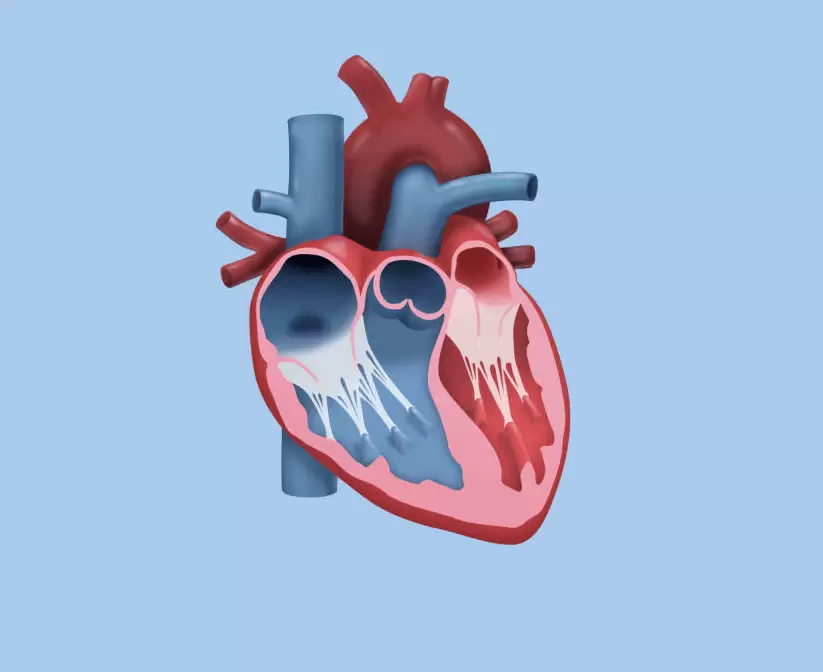
The pulmonary valve is one of the four main valves in the heart. It controls the flow of blood from the right ventricle to the lungs, where oxygen-poor blood receives oxygen. The valve also helps keep blood moving in the right direction and prevents it from flowing backward. While Aortic Valve Repair in Jaipur focuses on treating problems related to the aortic valve, pulmonary valve treatment is aimed at managing conditions that affect blood flow between the heart and lungs.

As there are two types of pulmonary valve:

  • Pulmonary Valve Regurgitation: If your heart valve doesn’t close the right way, and blood leaks in the heart, instead of flowing to your lungs; then your heart has to work harder, what makes you feel tired or short of breath this is valve regurgitation.
  • Pulmonary Valve Stenosis: “Once your valve is tight or narrow, it’s difficult for the valve to move the blood from the heart to the lungs. It causes chest pain, weakness, and eventually, if not treated in time, heart problems as well.

If you are feeling any of the signs or any other condition, then it’s better to consult with a pulmonary valve specialist in Jaipur.

Overview

Why is it done?

As we already read above, pulmonary valve treatment in Jaipur is done so that it makes your blood flow smoothly from the heart to the lungs. If the treatment is not done on time, then it can affect your pumping of blood and cause serious health issues. There are many other reasons why the treatment is needed:

Improve Blood Flow
Increase blood flow
When the pulmonary valve is replaced or repaired, your blood flow from the heart to the lungs is regulated, which helps the body get more oxygenated blood, says the pulmonary valve doctor in Jaipur.
Fewer strains
Fewer strains
By going to the Pulmonary Valve Clinic in Jaipur, you not only make it easier for your heart to pump blood, but you also make yourself healthier and stronger, and you will live longer too.
Relief in symptoms
Relief in symptoms
It also reduces the symptoms like chest pain, feeling of tiredness, shortness of breath, fainting and dizziness, and also saves you from further heart diseases.
Reduced risk of complications
Receiving the appropriate treatment on time can help reduce the risk of complications such as abnormal heart rhythm and swelling in the legs, and can also minimize damage to the heart or valves.
Growth and development in children
Even some children are born with valve problems, getting pulmonary valve treatment in Jaipur gives them a chance to outgrow and physically mature
Dr. RudraDev Pandey
Meet Our Expert

Dr. RudraDev Pandey

MD (Medicine), DM (Cardiology), FACC(USA)

Experience—15+ Years

Dr. RudraDev Pandey, the Best Cardiologist in Jaipur, is a pulmonary specialist renowned for his expertise in pulmonary valve replacement techniques. With over 15 years of experience, Dr. Pandey holds an MD in Medicine and a DM in Cardiology, and is a Fellow of the American College of Cardiology (FACC). Being a fellow of such a prestigious institution, he brings world-class cardiac care facilities and advanced treatment techniques that not only help in curing heart conditions but also protect patients from future heart diseases.

When you book an appointment with Dr. RudraDev Pandey, he ensures a comprehensive and personalized consultation, discussing all possible treatment options in detail to help you make informed decisions about your heart health.

Whether you are seeking advanced treatment for aortic valve issues, pulmonary valve treatment, mitral valve treatment, or comprehensive heart care, Dr. Pandey’s exceptional skills and vast experience make him a pulmonary valve specialist in Jaipur.

View Profile

Trust our Patient

Our Patient Feedback

Discover what our patients are saying about their experiences with us by exploring our comprehensive collection of feedback. Gain valuable insights into how we strive to provide exceptional care and service to every individual who walks through our doors.


Best Heart Valve Expert Doctor

Pulmonary Valve Doctor in Jaipur—Dr. RudraDev Pandey

Dr. RudraDev Pandey, an esteemed and highly qualified cardiologist with an MD in General Medicine, DM in Cardiology, and FACC (USA), is recognised as a leading Pulmonary Valve Specialist in Jaipur. He specialises in treating pulmonary valve regurgitation and managing complex heart conditions with precision and care. With extensive clinical experience, Dr. Pandey combines medical expertise with a compassionate approach to help patients feel confident about their treatment. His expertise also includes minimally invasive cardiac procedures, including care provided by a TAVI Specialist in Jaipur, which can offer selected patients a less invasive treatment option and a potentially quicker recovery.

So, trust Dr. RudraDev Pandey for advanced, compassionate care in managing pulmonary valve conditions. Some of the benefits of pulmonary valve disease:

  • Improved heart function
  • Prevent heart failure
  • Relief from symptoms
  • Enhanced your quality of life
  • Improved blood flow
Pulmonary Valve Specialist in Jaipur


What is the pulmonary valve procedure?

When the pulmonary valve doesn’t work properly, it may not close and open properly, which can cause narrowing and leaking of the valve. And for this, you require a pulmonary valve regurgitation treatment before the condition worsens and leads to another disease. The treatment of the pulmonary valve is

Balloon valvuloplasty: It is mostly used for children and adults. This treatment is mostly used for pulmonary stenosis. This treatment helps in improving the blood flow and reducing the symptoms of stenosis. But in most cases, it cannot be worked for damaged or thick valves, and this pulmonary valve doctor in Jaipur goes for the replacement technique.

Pulmonary valve replacement: The replacement is only done when any other treatment has not worked and the valve is too damaged. The replacement can be done in two ways:

  • Surgery: It means open-heart surgery, in which the valve is replaced with a biological valve, which is made from animal or human tissue, or with a mechanical valve, which is made from metal and plastic.
  • Transcatheter Pulmonary Valve Replacement (TPVR): It is less invasive than open heart surgery. In which a thin, flexible tube is used, and the cuts are also smaller. Moreover, it can also be used to place a new pulmonary valve in a previously implanted valve, and this is called a valve-in-valve procedure.


What tests are required before undergoing the aortic valve procedure?

Before undergoing a pulmonary procedure, several tests are typically required to assess the patient’s overall health so that treatment can be planned according to that. You can consult with the Pulmonary Valve Clinic in Jaipur, led by heart expert Dr. Rudradev Pandey, where patients receive the best evaluation. These tests may include:

  • Echocardiogram
  • Electrocardiogram (ECG or EKG)
  • Chest X-ray
  • Cardiac Catheterization
  • Cardiac MRI or CT scan
  • Blood Tests
  • Stress Test
  • Pulse check
Pulmonary Valve Specialist in Jaipur

Looking For the Best Cardiologist in Jaipur For Pulmonary Valve Repair & Replacement?

Looking For the Best Cardiologist in Jaipur For Pulmonary Valve Repair & Replacement?

Looking for the Best Cardiologist in Jaipur for an Pulmonary Valve Repair & Replacement? Schedule an appointment with Dr. RudraDev Pandey, the top-rated interventional cardiologist in Jaipur.

Frequently Asked Questions

Pulmonary valve disease does not always cause noticeable symptoms, especially in its early stages. As the condition progresses, a person may experience breathlessness, tiredness, chest discomfort, dizziness, fainting, or difficulty during physical activity. In more advanced cases, swelling in the legs or abdomen can also occur. Dr. RudraDev Pandey recommends a cardiac evaluation when such symptoms persist, as the signs can vary depending on the type and severity of the valve problem.

Pulmonary valve stenosis is commonly a condition that develops before birth. The valve may be abnormally formed and become narrower than normal, making it harder for blood to travel from the right ventricle to the lungs. In some cases, pulmonary valve narrowing can be related to other heart conditions. An evaluation by a cardiologist can help identify the cause and determine how severe the narrowing is.

Pulmonary valve regurgitation happens when the valve does not close properly, allowing some blood to flow backward into the right ventricle. It may occur due to congenital heart problems, previous treatment for pulmonary valve stenosis, pulmonary hypertension, or changes affecting the pulmonary valve or surrounding structures. The exact cause can vary, so proper cardiac assessment is important before deciding on treatment.

Finding a pulmonary valve problem usually begins with a consultation, medical history, and physical examination. An echocardiogram is one of the most useful tests because it allows doctors to see the valve and assess how blood is moving through it. Depending on the suspected condition, additional tests such as an ECG, cardiac MRI, CT scan, or cardiac catheterization may be recommended to get a clearer picture of the heart.

Pulmonary valve replacement is not necessary for everyone with a pulmonary valve problem. It may be considered when severe stenosis or regurgitation is causing significant symptoms or affecting the size or function of the right ventricle. Doctors also consider exercise tolerance, imaging results, and the patient’s overall heart health. A detailed evaluation helps determine whether monitoring, repair, catheter-based treatment, or valve replacement is appropriate.

Yes. Depending on the severity and structure of the valve, pulmonary valve stenosis can sometimes be treated without traditional open-heart surgery. Balloon pulmonary valvuloplasty is a catheter-based option that can widen a narrowed valve and improve blood flow. Mild cases may only require regular monitoring. The recommended treatment depends on the individual patient’s condition and test results.

Balloon pulmonary valvuloplasty is a minimally invasive procedure used to treat certain cases of narrowed pulmonary valves. During the procedure, a thin catheter carrying a small balloon is guided to the affected valve. The balloon is then inflated to widen the valve opening, allowing blood to flow more easily toward the lungs. It can be an effective treatment for appropriately selected patients with pulmonary valve stenosis.

TPVR, or Transcatheter Pulmonary Valve Replacement, is a minimally invasive way of replacing a dysfunctional pulmonary valve. Instead of traditional open-heart surgery, the replacement valve is delivered through a catheter to the affected area. It may be suitable for selected patients, including some people who have previously undergone pulmonary valve or conduit procedures. Imaging and detailed assessment are needed to determine whether TPVR is appropriate.

There is no single lifespan that applies to every replacement valve. How long it functions depends on factors such as the type of valve used, the patient’s age, heart condition, and how the valve performs over time. Regular cardiac check-ups and imaging are important because they allow the doctor to identify changes in valve function early and plan further treatment if needed.

Pulmonary valve replacement is a well-established treatment for selected patients with significant pulmonary valve disease. However, like any cardiac procedure, it can involve certain risks. These risks depend on factors such as the patient’s overall health, valve anatomy, previous heart procedures, and whether the replacement is performed through a catheter or open surgery. Your cardiologist will assess these factors and discuss the potential benefits and risks before treatment.

Recovery time can vary considerably from one patient to another. A catheter-based procedure generally involves a shorter recovery period than traditional open-heart surgery, but individual recovery depends on the patient’s health and the complexity of the procedure. Your doctor will guide you regarding physical activity, medications, follow-up appointments, and when you can safely return to your usual routine.

If you experience unexplained breathlessness, unusual tiredness, chest discomfort, dizziness, fainting, or reduced exercise tolerance, it is worth discussing these symptoms with a cardiologist. You should also seek specialist evaluation if you have already been diagnosed with a pulmonary valve problem or have a history of congenital heart disease. Early assessment can help determine whether you need monitoring, further testing, or treatment.

A mitral valve problem can sometimes develop gradually, so symptoms such as breathlessness, tiredness, palpitations, chest discomfort, or swelling in the legs should not be ignored. If you have been diagnosed with mitral stenosis, mitral regurgitation, or another mitral valve condition, a specialist evaluation can help determine the next step. A Mitral Valve Specialist in Jaipur can assess your valve function through appropriate cardiac tests and discuss suitable treatment options based on your individual condition.

Logo

Dr. RudraDev Pandey is an experienced interventional cardiologist in Jaipur with 15+ years of experience in advanced cardiac care.