Overview

What is ICD Implantation in Jaipur?

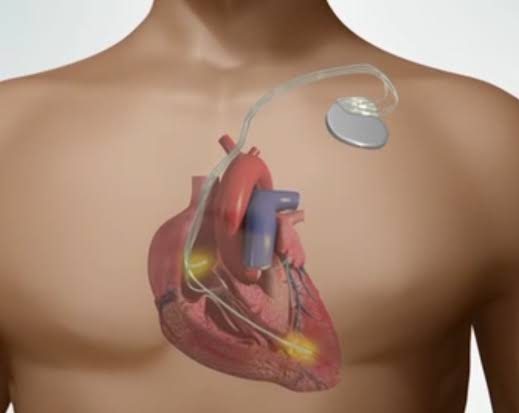
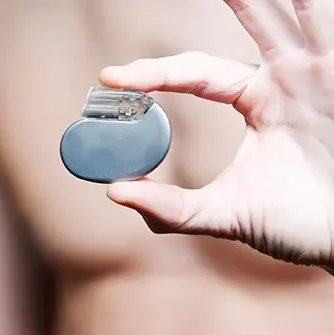
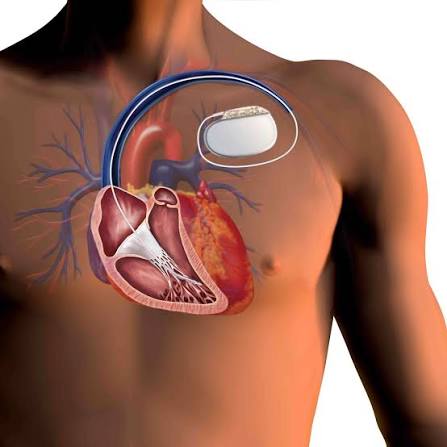
An Implantable Cardioverter Defibrillator (ICD) is a small device that is implanted under the skin to monitor your heart rhythm continuously. If it detects a dangerous or life-threatening heartbeat, it will quickly deliver electrical therapy to restore a normal rhythm. This can help prevent sudden cardiac arrest and save lives in a heart emergency.

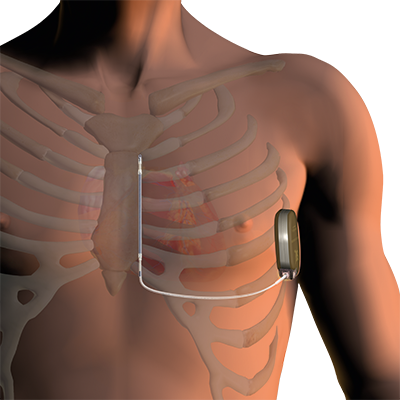
ICD Implantation in Jaipur is usually recommended for patients with serious heart rhythm disorders, heart failure, cardiomyopathy, or a high risk of sudden cardiac arrest. The procedure is minimally invasive, and the device is implanted just under the skin near the collarbone with thin leads that connect to the heart. Most patients recover in a short period of time and can slowly return to their normal routine, following their doctor’s advice.

Living with an ICD doesn’t mean you can’t live everyday life. It quietly lurks in the background, watching your heart every second, treating only when necessary. An ICD provides long-term protection, greater peace of mind, and the ability to safely continue with your daily routine with regular follow-up visits and appropriate care.
Overview

Why Choose Dr. RudraDev Pandey for ICD Implantation in Jaipur?

Choosing the right doctor is just as important as choosing the right treatment. If you are planning ICD Surgery in Jaipur, you need someone who understands your condition, explains everything clearly, and stays with you throughout your treatment and recovery. What sets him apart is:

Treatment Based on Your Condition
Every patient is different. Dr. Pandey studies your symptoms, heart reports, and medical history before deciding whether an ICD is the right treatment for you.
Clear Answers Without Medical Jargon
Heart treatments can be confusing. Dr. Pandey explains your condition, procedure, benefits, and recovery in simple language so you and your family understand everything clearly.
Care Before and After the Procedure
Your treatment doesn't end after the ICD is implanted. Regular follow-ups, device checks, and recovery guidance help you stay safe and confident in everyday life.
Modern Cardiac Care Under One Roof
From heart tests and diagnosis to ICD implantation and follow-up care, everything is available in one place, making your treatment smoother and more convenient.
Decisions You Can Trust
Dr. Pandey believes in recommending an ICD only when it is genuinely needed. Every decision is based on your condition, not on a routine treatment plan.
A Doctor Who Listens
Dr. Pandey takes time to understand your concerns, answers every question patiently, and helps you feel comfortable before making any important treatment decision.
Dr. RudraDev Pandey
Meet Our ICD Specialist in Jaipur

Dr. RudraDev Pandey

MD - General Medicine, DM - Cardiology

Experience – 15+ Years

Dr. RudraDev Pandey has over 15 years of experience in treating heart diseases and caring for patients with complex heart conditions. He has helped many people with heart rhythm disorders, heart failure, blocked arteries, and other cardiac problems, including patients who need a Leadless Pacemaker for safer, wire-free heart rhythm management. His clear advice and practical approach make patients feel comfortable throughout their treatment.

He has extensive experience in performing ICD Implantation in Jaipur for people who are at risk of sudden cardiac arrest because of dangerous heart rhythm problems. Before recommending an ICD, Dr. Pandey carefully reviews each patient’s medical condition, explains why the device is needed, discusses the benefits and possible risks, and answers every question in simple language so patients feel confident about their treatment.

Dr. Pandey believes that good treatment starts with listening to the patient. He spends time understanding every concern and guides patients from diagnosis to recovery. Whether you need an ICD, a second opinion, or advice about your heart health, you can expect honest guidance and treatment based on your individual condition.

View Profile

Trust our Patient

Our Patient Feedback

Discover what our patients are saying about their experiences with us by exploring our comprehensive collection of feedback. Gain valuable insights into how we strive to provide exceptional care and service to every individual who walks through our doors.


When Do You Need an ICD?

If your heart is at risk of developing dangerous rhythm problems, your doctor may suggest ICD Implantation in Jaipur. An ICD is usually recommended for people who have a higher chance of sudden cardiac arrest or serious irregular heartbeats. After examining your condition, your doctor will decide whether this treatment is the right option for you.

You may need an ICD if you:

  • Have survived a sudden cardiac arrest in the past.
  • Heartbeat that becomes dangerously fast or irregular.
  • Heart failure, and your heart is not pumping blood properly.
  • Have had a heart attack that has weakened your heart.
  • Have a heart muscle disease (cardiomyopathy) that increases the risk of abnormal heartbeats.
  • Continuously having heart rhythm problems even after taking the medicine.
  • The person has a family history or an inherited heart condition that can increase the risk.
  • Have fainted because of a serious heart rhythm problem.
  • Need a device that can continuously monitor your heart and provide immediate treatment during an emergency.

If your doctor believes an ICD is the best option for your condition, ICD Implantation Surgery in Jaipur can provide long-term protection by detecting dangerous heart rhythms and treating them within seconds, helping you live with greater confidence and peace of mind.

ICD Implantation in Jaipur


How Does an Implantable Cardioverter Defibrillator Work?

An Implantable Cardioverter Defibrillator in Jaipur is designed to keep a constant watch on your heart. It works automatically in the background and responds within seconds if it detects a dangerous change in your heartbeat. This helps reduce the risk of serious complications and offers round-the-clock protection.

  • It Continuously Monitors Your Heart: The ICD keeps checking your heart rhythm every second, even when you are asleep, resting, walking, or working. Since it never stops monitoring, it can detect dangerous heart rhythm changes as soon as they begin and respond without any delay.
  • It Detects Abnormal Heart Rhythms: When the device notices a serious heart rhythm problem, such as ventricular tachycardia or ventricular fibrillation, it quickly identifies the condition. This early detection allows the ICD to start treatment before the situation becomes life-threatening.
  • It Sends Gentle Electrical Pulses First: Not every abnormal heartbeat needs a shock. In many cases, the ICD first delivers small electrical impulses called anti-tachycardia pacing (ATP). These gentle pulses often bring the heartbeat back to normal without causing discomfort.
  • It Delivers a Shock When Necessary: If the abnormal rhythm continues or becomes more dangerous, the ICD gives a controlled electrical shock to reset the heart. People who undergo ICD Surgery in Jaipur receive this advanced treatment to help protect them from sudden cardiac arrest.
  • It Can Also Work as a Pacemaker: Some ICDs are designed to do more than treat fast heart rhythms. If the heart starts beating too slowly, the device sends gentle electrical signals to maintain a steady heartbeat and support normal heart function.
  • It Records Your Heart Activity: The ICD also keeps a record of your heart rhythm and every treatment it delivers. During follow-up visits, your doctor reviews this information to check how the device is performing and whether any adjustments are needed.
ICD Implantation in Jaipur


Benefits of ICD Implantation in Jaipur

Choosing ICD Heart Surgery in Jaipur can help protect people with serious heart rhythm disorders. An ICD continuously monitors your heartbeat and provides immediate treatment when dangerous rhythm changes occur, helping you stay safer and more confident in daily life.

  • Reduces the Risk of Sudden Cardiac Arrest: An ICD quickly detects dangerous heart rhythms and delivers treatment within seconds. This fast response lowers the risk of sudden cardiac arrest and improves the chances of surviving a life-threatening emergency.
  • Monitors Your Heart All the Time: The device keeps checking your heartbeat day and night, whether you are sleeping, working, or resting. Continuous monitoring helps identify dangerous rhythm changes before they become more serious.
  • Provides Immediate Treatment: If your heart starts beating too fast or irregularly, the ICD automatically delivers electrical therapy to restore a normal rhythm without waiting for emergency medical care to reach you.
  • Restores a Healthy Heart Rhythm: By correcting dangerous heart rhythms quickly, the ICD helps your heart return to a normal rhythm. Early treatment can reduce complications and protect your heart from further damage.
  • Supports People with Serious Heart Conditions: People with heart failure, cardiomyopathy, or previous life-threatening arrhythmias can benefit from an ICD because it provides continuous protection against future dangerous rhythm problems.
  • Can Also Treat Slow Heartbeats: Some ICD models also work as pacemakers when the heart beats too slowly. This allows one device to manage both slow and dangerously fast heart rhythms effectively.
  • Offers Reliable Long-Term Protection:  An Automatic Implantable Cardioverter Defibrillator in Jaipur provides long-term protection against dangerous heart rhythms. Its battery usually lasts several years, making it a dependable treatment for many patients.
  • Helps You Live with More Confidence: Many people feel more confident returning to work, travelling, and enjoying daily activities because they know the ICD is always monitoring their heart and ready to respond.
  • Helps Doctors Track Your Heart Health: The ICD stores details about your heart rhythm and treatments it delivers. This information helps your doctor monitor your condition and make better treatment decisions during follow-up visits.
  • Improves Long-Term Survival: For people with a high risk of life-threatening heart rhythm disorders, an ICD can significantly improve long-term survival by providing fast treatment whenever dangerous heart rhythms develop.


What is the Procedure for ICD Implantation in Jaipur?

The ICD Implantation Procedure in Jaipur is a minimally invasive procedure that is done to safeguard people who are at risk of life-threatening heart rhythm disorders. The goal is to place an Implantable Cardioverter Defibrillator (ICD) within the body safely to continuously monitor the heartbeat and administer treatment when needed.

Your cardiologist will take your medical history and may suggest tests such as an electrocardiogram (ECG), echocardiogram, blood tests, and chest X-ray before the procedure.

During the procedure, you’ll receive local anesthesia and a light sedation to keep you comfortable but still breathing on your own. A small incision is made just below the collarbone where the ICD will be placed. Using X-ray guidance, one or more fine leads are threaded into the heart through a vein and positioned in the right chambers. These leads are attached to the ICD, which is located in a small pocket created under the skin.

Once the device is in place, the doctor will test the device to ensure it can properly detect and correct abnormal heart rhythms. After confirming everything is working as expected, the incision is closed with stitches or surgical glue and covered with a dressing.

After the procedure, you will be monitored for a few hours, and the device will be checked again before being discharged. Most patients are in the hospital for one or two days. Before you go home, you’ll be told how to care for your incision and how to limit heavy lifting and arm movements for a few weeks.

ICD Implantation in Jaipur

Looking For the Best Cardiologist in Jaipur For ICD Implantation in Jaipur?

Looking For the Best Cardiologist in Jaipur For ICD Implantation in Jaipur?

Dr. RudraDev Pandey offers ICD Implantation in Jaipur. For further details regarding our wide range of treatment options, or to schedule an appointment with the leading Interventional Cardiologist in Jaipur, please call +91-7340532111 or click “Book Appointment” for online booking.

Frequently Asked Questions about ICD Implantation.

An Implantable Cardioverter Defibrillator (ICD) is a small device placed under the skin to monitor your heartbeat all the time. If it detects a dangerous heart rhythm, it quickly delivers a gentle electrical pulse or shock to restore a normal heartbeat. Many patients choose ICD Implantation in Jaipur for this treatment.

An ICD may be recommended for patients at high risk of life-threatening abnormal heart rhythms, such as ventricular tachycardia or ventricular fibrillation. It may also be considered for certain patients with previous cardiac arrest, serious arrhythmias, or significantly reduced heart function. The decision depends on the patient’s heart condition, medical history and overall risk.

The ICD continuously checks your heart rhythm every second. If it notices a dangerously fast or irregular heartbeat, it responds immediately with electrical therapy to bring the heart back to its normal rhythm. Many patients benefit from an Automatic Implantable Cardioverter Defibrillator in Jaipur for long-term protection.

An ICD helps treat life-threatening heart rhythm disorders such as ventricular tachycardia and ventricular fibrillation. These conditions can stop the heart from pumping blood properly if left untreated. Doctors often recommend ICD Surgery in Jaipur for patients who have a high risk of sudden cardiac arrest.

ICD implantation is considered a minimally invasive procedure rather than a major surgery. It is usually completed within a few hours, and most patients return home within a day or two. ICD Implantation Surgery in Jaipur is performed using modern techniques for faster recovery and better comfort.

The battery of an ICD usually lasts between five and ten years, depending on how often the device delivers therapy. Your doctor will monitor the battery during regular follow-up visits and replace it when needed. An experienced ICD Specialist in Jaipur can guide you throughout this process.

Yes, most people return to their routine after recovering from the procedure. You can work, travel, and enjoy daily activities while following your doctor’s advice, taking medicines as prescribed, and attending regular check-ups to ensure the ICD continues to work properly.

Like any medical procedure, ICD implantation carries some risks, including infection, bleeding, or temporary discomfort around the implant site. In rare cases, the device may deliver an unnecessary shock. Regular follow-up appointments help ensure the ICD continues to function safely and effectively.

You should consider an ICD if your cardiologist believes you have a high risk of sudden cardiac arrest because of severe heart rhythm problems or weakened heart function. Early evaluation and timely treatment can significantly improve safety and provide greater peace of mind for the future.

A pacemaker mainly treats slow heart rhythms by helping maintain a suitable heart rate. An ICD can also provide pacing but is primarily designed to detect and treat dangerous fast heart rhythms. When necessary, an ICD can deliver an electrical shock to restore a potentially life-threatening rhythm and help reduce the risk of sudden cardiac arrest.

ICD implantation is usually performed under local anaesthesia with sedation. A small incision is made below the collarbone, and the ICD leads are guided through a blood vessel into the heart. The device is then placed under the skin and connected to the leads. It is tested and programmed according to the patient’s cardiac needs before discharge.

The cost of ICD implantation in Jaipur varies depending on the type and model of ICD, hospital charges, procedure-related expenses, diagnostic tests and the patient’s medical condition. Since every patient has different requirements, the exact cost can only be determined after evaluation by a cardiologist and selection of the appropriate ICD device.

Logo

Dr. RudraDev Pandey is an experienced interventional cardiologist in Jaipur with 15+ years of experience in advanced cardiac care.