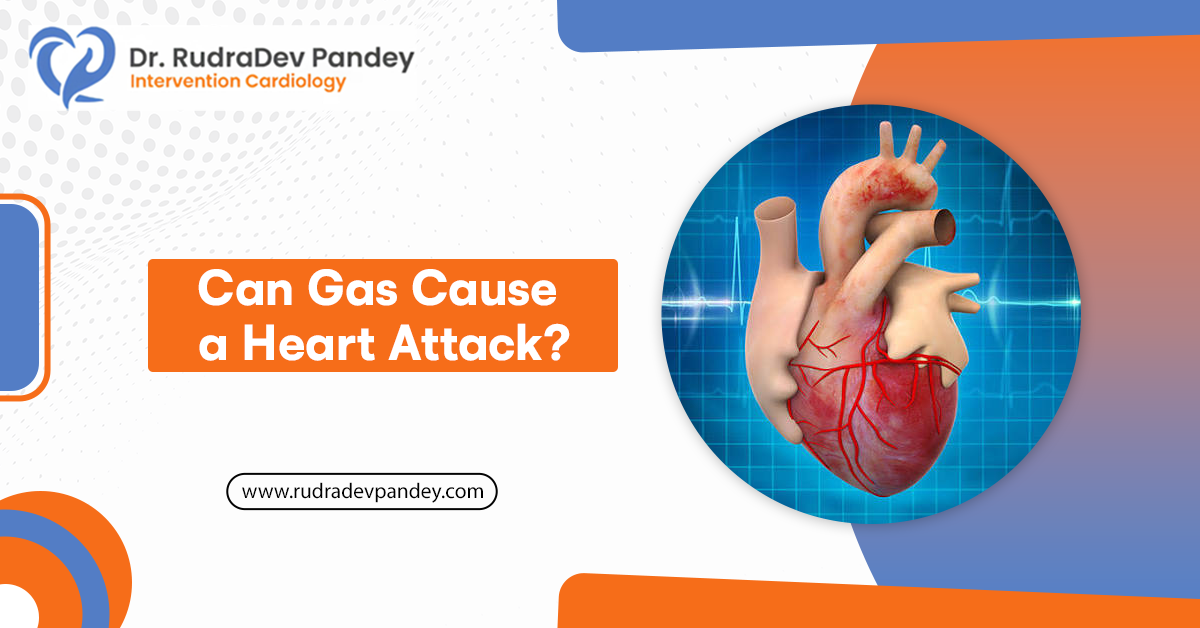
Can Gas Cause a Heart Attack?
“It’s probably just gas, let’s wait for a while.”
Many families have said these words when someone suddenly complains of chest pain after a meal. Sometimes it really is gas. But sometimes, waiting can be risky. The confusion happens because gas pain and heart-related chest pain can feel surprisingly alike. So, Can Gas Cause a Heart Attack? The answer is no—but mistaking a heart attack for gas can delay life-saving treatment.
Why Does Gas Sometimes Feel Like Heart Pain?
Gas may accumulate in the stomach or intestines and create pressure that may ascend and lead to chest discomfort. The pain can be severe, tight, or like there is pressure on your chest. Hence the fear of so many.
Signs of gas:
- Food bloating
- Excessive burping
- Passing gas
- Passing gas relieves discomfort
- Mild discomfort which varies with posture in bed.
This discomfort is terrible, but it originates from the digestive system and not the heart.
So the question arises: Can gas cause a heart attack?
When a coronary artery is blocked and can no longer supply oxygen-rich blood to the heart muscle, a heart attack occurs. However, gas discomfort is related to the digestive system. The problem is that both can sometimes induce chest discomfort, and it might be hard to differentiate the two without adequate evaluation.
Heart Attack versus Gas Pain: What’s The Difference?
Gas Pain
- It often starts after a heavy, oily or spicy meal.
- You can have bloating or gas stuck in the upper belly or lower chest.
- The ache tends to go away after passing gas or burp.
- Walking for a few minutes or changing from a sitting to a reclining posture may help ease the pain.
Heart Attack Pain
- Chest discomfort (pressure, squeezing, fullness, or pain).
- May radiate to arm, shoulder, jaw, neck or back.
- Can last many minutes or keep coming back
- Often with perspiration, nausea, dizziness, or shortness of breath.
- Usually does not improve with burping, passing gas, or antacids.
It is essential to keep in mind that heart attack symptoms aren’t the same for everyone. Older folks, women, and those with diabetes may have odd symptoms, such as inexplicable weariness, discomfort that feels like indigestion, or mild pressure in the chest instead of acute chest pain. If you’re ever in doubt that can gas cause a heart attack, it’s always better to get it tested than to believe it’s just gas.
When Should You Go to the Hospital?
Never dismiss chest pain if it is unlike anything you have felt previously. If you see: seek immediate medical attention
- Chest pain that lasts more than a few minutes
- Pain radiating to arm, shoulder, back or jaw
- Shortness of breath
- Fever
- Weakness or fainting (sudden onset)
- Nausea with chest discomfort
According to Dr. RudraDev Pandey, one of the Best cardiologist specialist in Jaipur states that it is not easy to establish whether chest pain is caused by gas or a heart condition based on symptoms alone. Often an ECG, blood tests, and a clinical examination are needed to pinpoint the exact cause and commence the proper treatment without delay.
Who Should Be Extra Careful?
Chest pain should always be taken seriously if you have risk factors for heart disease, such as:
- Diabetes
- High blood pressure
- High cholesterol
- Smoking
- Obesity
- A family history of heart disease
- Increasing age
People with these conditions should never assume chest pain is simply caused by acidity or gas.
Can You Reduce Gas-Related Chest Discomfort?
Gas won’t kill you in a heart attack, but excellent eating habits can minimize digestive discomfort.
Eat smaller meals but don’t overeat.
Do not lie down right after eating.
Eat less of the foods that cause you to bloat.
Drink plenty of water during the day.
Be active, for example, a quick walk after eating.
Take your time to eat and chew your meal well.
These practices can help reduce gas, but they should not be used in place of a medical evaluation for unexplained chest pain.
Conclusion
If you’ve been wondering, Can Gas Cause a Heart Attack, the answer is no. Gas might produce discomfort in your chest, but it doesn’t impact your heart. The actual concern is confusing chest pain caused by the heart for a stomach ailment. If the discomfort is odd, lasts longer than expected, or is accompanied by breathlessness or perspiration, don’t delay – get medical care without delay.