Overview

What Is CRTD?

CRTD stands for cardiac resynchronization therapy with a defibrillator. It is a device used for some people with heart failure when the heart’s lower chambers, called the ventricles, are not beating together properly. When the timing between the ventricles is out of sync, the heart may not pump blood as well as it should.

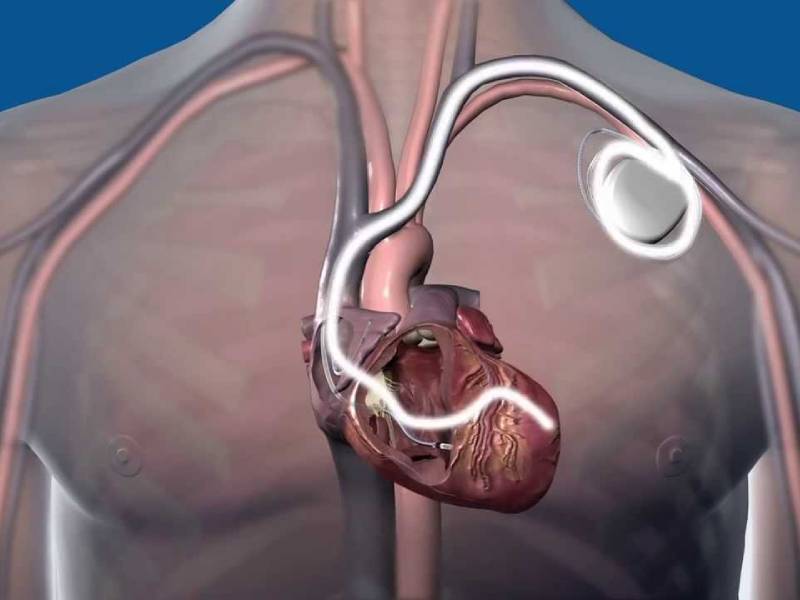
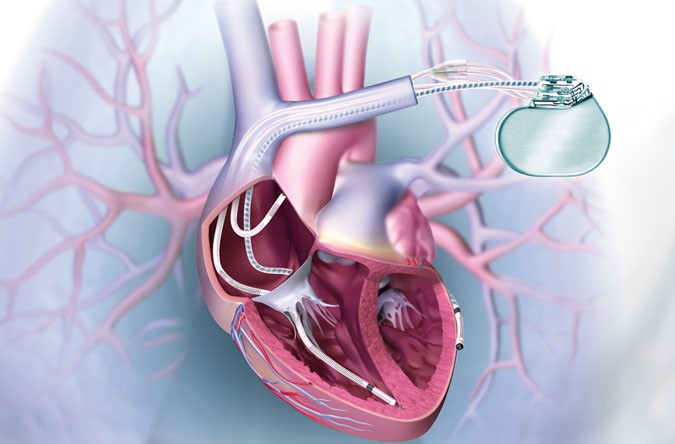
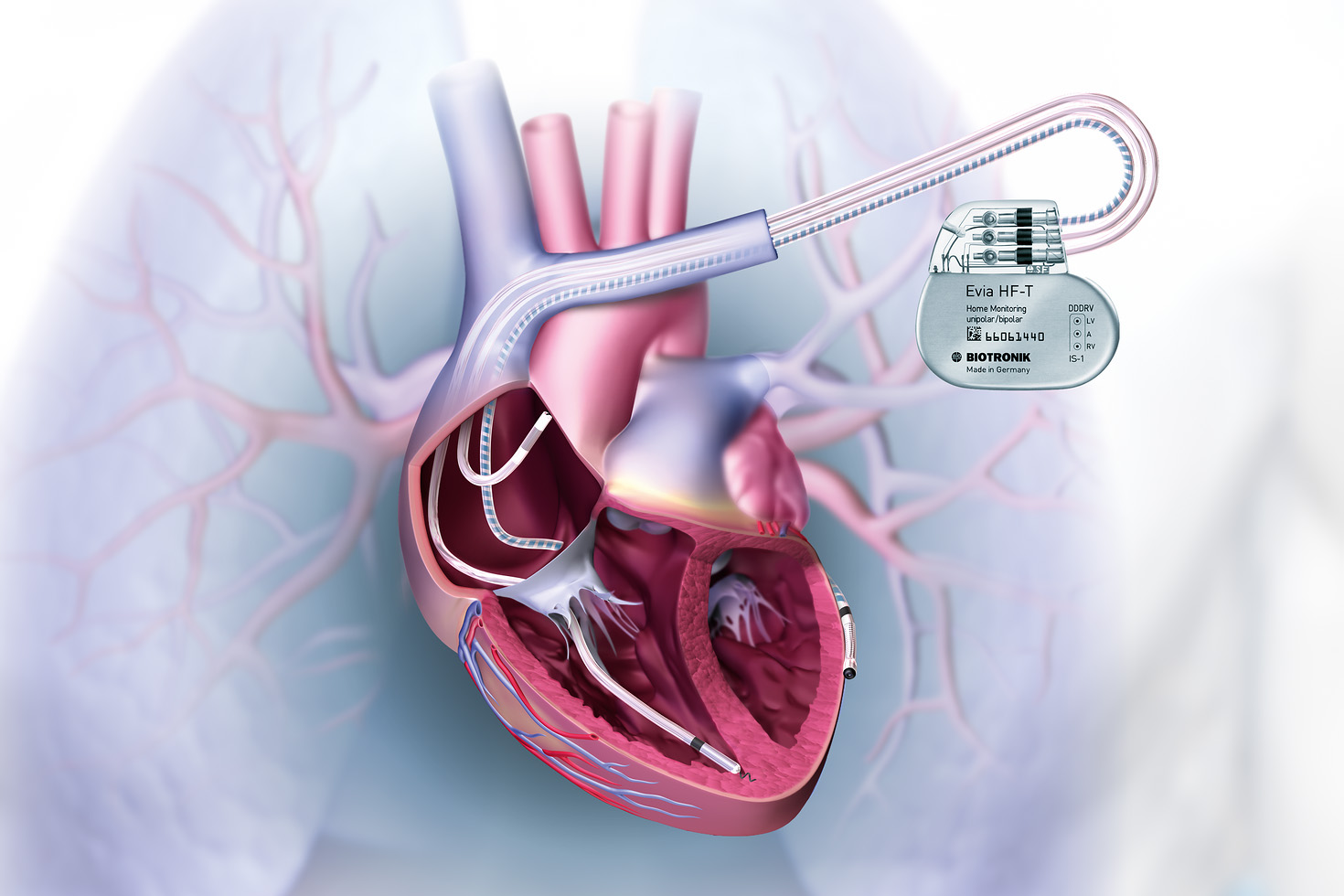
A CRT-D device helps correct this timing. It sends small electrical impulses through leads placed in the heart so that the ventricles can contract in a more coordinated way. This may improve the heart’s pumping ability and can help reduce symptoms such as breathlessness in suitable patients.

The “D” in CRT-D stands for defibrillator. Along with helping the ventricles beat together, the device keeps watch over the heart rhythm. If a dangerous ventricular rhythm occurs, it can deliver treatment, including an electrical shock when necessary.

CRTD is not needed by everyone with heart failure. A cardiologist in Jaipur considers the patient’s symptoms, heart pumping function, ECG, heart rhythm, and response to medicines before recommending the device. CRTD Treatment in Jaipur is planned only after assessing whether the treatment is suitable for the individual patient.
Overview

Why Choose Dr. RudraDev Pandey for CRTD Implantation in Jaipur?

If you are looking for a CRTD Specialist in Jaipur, then Dr. RudraDev Pandey first looks at the condition of your heart, test reports, and symptoms to recommend a CRT-D. He spends time explaining the treatment to you and your family too. What sets him apart is:

Evaluate your heart condition
Dr. Pandey evaluates your heart function, ECG, symptoms, and other reports and suggests CRT-D. It's really useful to know the situation and whether the device is for you.
Clearly explains the device
If you are not familiar with the term CRT-D, you probably have many questions. The Doctor will tell you more about the need for the device, how it works, and what will happen during the implantation.
Post-implant care
Post-implant care
After implantation, it is important to know how the device and its leads are functioning. Dr Pandey provides detailed counseling for follow-up care and recovery after the procedure.
Prepares you for the procedure
You get information about the tests, medicines, preparations, and other important details you need to know before having the CRT-D. Knowing the process can help you prepare yourself better for the operation.
Gives you time to ask questions
You may have several questions concerning the device, its implantation, and other aftercare treatment. You can ask these questions to the doctor before deciding the treatment.
Involves your family
The CRT-D procedure can be challenging for the patient and the family. The doctor will try to answer all your questions and assure you that the treatment will do more good to the patient than harm.
Dr. RudraDev Pandey
Meet Our CRTD Specialist in Jaipur

Dr. RudraDev Pandey

MD - General Medicine, DM - Cardiology

Experience – 15+ Years

Dr. RudraDev Pandey has more than 15 years of experience in cardiology and treats patients with different heart conditions, including heart failure and heart rhythm problems. He also looks after patients who may need devices such as pacemakers, ICDs, and CRT-D.

When a patient is being considered for CRTD Implantation in Jaipur, Dr. Pandey first looks at the complete picture. He reviews the heart’s pumping function, ECG, symptoms, medical history, and previous treatment. He then explains why CRT-D may be advised, how the device works, and what the patient can expect during and after the procedure.

If you are looking for a CRTD doctor, Dr. Pandey takes time to discuss your reports and concerns rather than rushing through the consultation. He explains medical terms in simple words and encourages patients and their families to ask questions. He aims to help patients understand their condition and make a treatment decision they are comfortable with.

View Profile

Trust our Patient

Our Patient Feedback

Discover what our patients are saying about their experiences with us by exploring our comprehensive collection of feedback. Gain valuable insights into how we strive to provide exceptional care and service to every individual who walks through our doors.


When Is CRT-D Needed?

CRT-D is not needed for everyone with heart failure. A doctor may consider it when the heart is weak and there is also a problem with the timing of the heartbeat, depending on the patient’s tests and symptoms.

  • The heart has become weak and is not pumping blood as well as it should.
  • The right and left ventricles are not contracting together, which can affect how well the heart pumps.
  • An ECG shows a delay in the electrical signals travelling through the ventricles. A wide QRS or left bundle branch block may be important in this decision.
  • Breathlessness, tiredness or difficulty doing normal activities continues even after medicines and other heart failure treatment.
  • There is a risk of certain dangerous ventricular rhythms. The defibrillator in a CRT-D can detect them and provide treatment when needed.
  • The patient needs frequent ventricular pacing. In some cases, CRT may be considered instead of pacing only the right ventricle.
  • Both functions are needed — better coordination of the heart’s contractions and protection from certain dangerous rhythms.
  • The doctor feels that CRT-D may help after looking at the patient’s heart function, ECG, symptoms, heart rhythm, and other health conditions.
  • The final treatment depends on the patient’s condition. Some people may need medicines, while others may benefit from a CRTD Pacemaker in Jaipur.
CRTD Implantation in Jaipur


How Does a CRT-D Device Work?

There are two main functions of a CRT-D: First, it helps the two lower chambers of the heart to beat more in sync. Second, it can treat some dangerous heart rhythms. When implanted, the device acts independently and continues to monitor the heart’s rhythm.

  • Helps the Two Ventricles Work Together: The device sends little electrical signals through its leads to help the right and left ventricles contract at the right time. This is useful if the ventricles are not beating properly together.
  • Keeps Track of Heart Rhythm: The device keeps monitoring the heartbeat and can detect some abnormal rhythms originating in the ventricles.
  • Assists With the Timing of the Heartbeat: One ventricle contracting before the other is caused by a delay in the electrical signal in the heart. CRT pacing helps to resynchronize their timing.
  • Can Treat a Dangerous Heart Rhythm: If a serious rhythm like ventricular tachycardia or ventricular fibrillation happens, the defibrillator part of the device can treat it. It may first use pacing or deliver an electrical shock, depending on the rhythm.
  • Can Help When the Heart Beats Too Slow: If the heart rate is too slow or for another reason pacing is needed, the pacing function can also take over to support the heart.
  • Keeps Information About the Heart: The device also stores information about the heart rhythm and any treatment it administers. At follow-up appointments, the doctor can review these recordings to see how the device is performing.

If you are planning for CRTD Implantation in Jaipur, your doctor will explain how the device can help in your particular case and what you can expect before and after implantation.

CRTD Implantation in Jaipur


What are the Benefits of CRT-D?

The right patient can benefit from CRT-D in more ways than just managing the heartbeat. It helps the lower chambers of the heart work together and also protects against some dangerous heart rhythms. The amount of benefit is determined by the individual. If you are looking for a CRTD Pacemaker in Jaipur, possible benefits are:

  • Helps the heart pump more efficiently: If the two ventricles don’t work together, the heart may have to work harder. The timing of their contractions is improved in patients who respond to CRT, and it can make pumping more effective.
  • May decrease shortness of breath and tiredness: Simple activities can make someone breathless or tired due to heart failure. Some suitable patients do get better in these symptoms after CRT.
  • Easier day-to-day activities: If your breathlessness and tiredness improve, you may find it easier to do everyday things, such as walking, climbing stairs, or doing your daily activities.
  • Could enhance quality of life: Some patients improve with CRT and can resume activities that previously were not possible for them. How much better you feel can vary from person to person.
  • May decrease hospital visits: For some eligible heart failure patients, CRT may help avoid hospitalizations by decreasing the chance of their condition worsening.
  • Could improve heart function with time:  If you do well with CRT, your heart might work better over time. This can lead to this. This treatment can help the ventricles work together more effectively.
  • Protection from some dangerous heart rhythms: CRT-D also contains a defibrillator. It continuously monitors the heart rhythm and is able to pace or deliver an electrical shock if a dangerous ventricular rhythm occurs.
  • Two functions in one device: Some patients require both cardiac resynchronization and protection from dangerous heart rhythms. The CRT-D combines these two functions in one implanted device.
  • May improve long-term outcomes: CRT has been shown to reduce heart-failure complications, and in some groups, the risk of death, in well-selected patients. The benefit is dependent on the patient’s heart condition and response to treatment.


Benefits from CRT-D are not equal for everyone. A good assessment can help decide if the patient’s heart problem is likely to benefit from CRT and if the defibrillator function is also needed.


What is the CRTD Implantation Procedure in Jaipur?

The CRTD Procedure in Jaipur is performed in a hospital, and it usually takes some hours. The patient is given local anesthesia before the area of insertion of the device is numbed. You may also be given medicines to help you relax. During the procedure, your heart rate, blood pressure, and oxygen level will be monitored. The procedure starts with:

  • Implantation preparation: The doctor reviews reports, medicine needed, and typically an IV line is placed in the hand or arm.
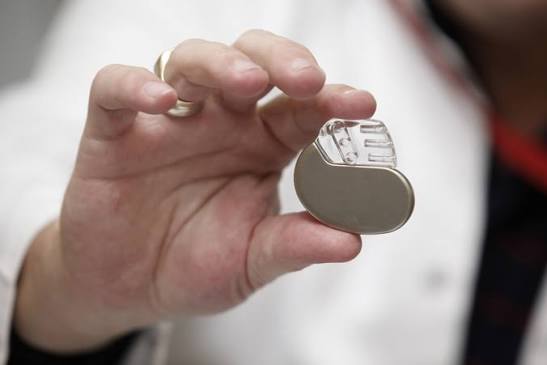
  • Making the opening: A small incision is usually made below the collarbone. A pocket is created under the skin for the CRT-D generator
  • Placing the leads: Thin insulated wires are passed through a vein to the heart. The leads are positioned in suitable sites to synchronize the contractions of the ventricles. The left ventricle lead is usually delivered via the coronary veins.
  • Connection of the device: Leads are attached to the CRT-D generator. The device also provides a defibrillator to treat some dangerous ventricular rhythms, in addition to pacing to help coordinate the heartbeat.
  • Testing the system: The doctor tests the lead position and function, confirming the device is giving the needed electrical signals. The settings are set according to the needs of the patient.
  • Closing the cut: When everything is working properly, the generator is placed under the skin and the incision is closed and dressed.

After the CRTD Implantation in Jaipur, the patient is kept under observation for some time to ensure that the device is functioning well and then discharged. Depending on the condition and doctor’s advice, some people can go home the same day, while others may have to stay overnight. The medical team also teaches about wound care, arm movement, and when to follow up.

CRTD Implantation in Jaipur

Looking For the Best Cardiologist in Jaipur For CRTD Implantation in Jaipur?

Looking For the Best Cardiologist in Jaipur For CRTD Implantation in Jaipur?

Dr. RudraDev Pandey offers CRTD Implantation in Jaipur. For further details regarding our wide range of treatment options, or to schedule an appointment with the leading Interventional Cardiologist in Jaipur, please call +91-7340532111 or click “Book Appointment” for online booking.

Frequently Asked Questions About CRT-D

A CRT-D has a defibrillator and cardiac resynchronization therapy. It helps the lower chambers of the heart beat together more smoothly and can also be used to treat some life-threatening heart rhythms. A detailed assessment by a cardiologist may indicate CRTD Pacemaker in Jaipur for appropriate heart failure patients.

In some people with heart failure, CRT-D may be recommended if the heart is not pumping well and the ventricles are not contracting together properly. They also look at ECG results, symptoms, heart rhythm, and response to drugs. CRTD Treatment in Jaipur is recommended only if the patient is likely to benefit from the same.

Both devices help the heart’s ventricles pump better in sync. CRT-P provides pacing to improve this timing. CRT-D also includes a defibrillator that can detect and treat certain dangerous ventricular rhythms. Which one is used depends on the patient’s heart condition, rhythm, and risk of serious arrhythmias. When both functions are required, CRTD Therapy in Jaipur may be considered.

During CRTD Implantation Procedure in Jaipur, the doctor makes a small opening below the collarbone and then threads thin leads through a vein into the heart. Then leads are connected to the CRT-D generator, which is implanted subcutaneously. X-ray is used to position the leads in the correct position.

The actual time for implantation of a CRT-D varies from patient to patient but generally takes a few hours. Local anesthetic and medicines to help the patient relax are often used. After CRTD surgery in Jaipur, the patient is observed, and the device is examined before the patient is discharged.

CRT-D implantation is an important heart procedure, but it is generally performed through a small incision rather than open-heart surgery. The device is placed under the skin, and the leads are guided through a vein. CRTD Procedure in Jaipur may be recommended when a patient needs both resynchronization and protection from certain dangerous heart rhythms.

For patients who are candidates for CRT, it can help the ventricles contract more in synchrony. This may help with symptoms such as breathlessness and tiredness and make day-to-day activities easier. It can also reduce hospitalisations related to worsening heart failure in appropriate patients. CRTD Pacemaker in Jaipur may also provide defibrillator protection when it is needed.

As with any procedure, CRT-D implantation has some risks. These can include bleeding, infection, problems with a lead, blood-vessel injury, and, less commonly, a collapsed lung. The device may also deliver treatment when it is not needed. Before CRTD Surgery in Jaipur, the doctor will explain the possible complications and precautions.

Response to CRT may be variable, and there is no set success rate for each patient. Some patients have improved heart function and fewer symptoms, and some may have less improvement. A CRTD Specialist in Jaipur considers the heart function of the patient, ECG pattern, symptoms, and cause of heart failure before recommending treatment.

Most patients will require some time for the incision to heal and will normally be instructed to avoid heavy lifting or some arm movements for a period of time after the procedure. Follow-up visits to check the device and leads are also important. If you have CRTD Implantation in Jaipur, your doctor will give you specific instructions based on your recovery.

The battery life of a CRT-D depends on how much you use the device for pacing and whether it needs to provide other therapies. Checking devices regularly helps you keep an eye on the battery and its working. Normally, the generator can be replaced when the battery is low. Continuous follow-up after implantation is also a part of CRTD Treatment in Jaipur.

Dr. RudraDev Pandey is a senior cardiologist with expertise in Heart failure & Heart rhythm problems and an expert in CRT and CRT-D implantation. Being a CRTD Doctor in Jaipur, he checks your heart function, ECG, symptoms, and medical history to decide whether you are eligible for CRT-D or not.

Logo

Dr. RudraDev Pandey is an experienced interventional cardiologist in Jaipur with 15+ years of experience in advanced cardiac care.