Symptoms of a weak heart
A Weak Heart Specialist in Jaipur can help you spot early signs of heart weakness that can affect your blood flow and overall health. Recognizing symptoms early and getting professional help can stop serious problems from happening and help your heart work better.
- Breathlessness, especially when you are lying down or doing something physical
- Being tired all the time and not having enough energy, even after resting
- Swelling in the feet, ankles, legs, or abdomen because of fluid buildup
- Fast or uneven heartbeats (palpitations)
- Heavy or uncomfortable feeling in the chest, especially when working out
- A cough or wheezing that won’t go away, sometimes with foamy sputum
- Rapid weight gain due to fluid retention
- Less stamina and trouble doing everyday tasks
- Not wanting to eat, feeling bloated, or sick
- Feeling dizzy, lightheaded, or fainting
- Cold hands and feet because blood isn’t flowing as well
- In advanced cases, people have trouble focusing or get confused.
Causes of a weak heart
Understanding the root causes is the first step to go for Weak Heart Treatment in Jaipur. This is because early detection helps with effective management and stopping further damage to the heart. The main reasons for a weak heart
- Coronary artery disease that cuts off blood flow to the heart
- High blood pressure that has been around for a long time and makes the heart work too hard
- A heart attack in the past that causes permanent damage to heart tissue
- Diabetes, which affects blood vessels and heart functions
- Heart valve diseases that disrupt blood from flowing normally
- Irregular heart rhythms (arrhythmias), weakening heart efficiency
- Cardiomyopathy is a condition in which the heart muscle gets bigger or stiffer.
- Serious infections or viral diseases that affect the heart muscle
- Excessive alcohol consumption
- Smoking and using tobacco damage the heart and blood vessels.
- Being overweight and not getting enough exercise
- Genetic predisposition or familial history of cardiovascular disease
Diagnosis of a weak heart
If you want to learn more about weak heart problems, going to a Weak Heart Clinic in Jaipur can help you find them early, get the right diagnosis, and pick the best treatment to avoid serious heart problems.
1. A medical history and a physical exam
To figure out the cause and severity, the doctor looks at the patient’s symptoms, lifestyle, current illnesses, family history, and past heart problems.
2. 2D Echo (Echocardiography)
This important test checks the strength of the heart’s pumping, the ejection fraction, the function of the valves, and the size of the heart chambers to help choose the right treatment.
3. Electrocardiogram (ECG)
An ECG looks for signs of past heart damage, heart rhythm, and electrical activity that could make the heart weaker.
4. Blood test
Blood tests check for measures of heart failure, kidney function, thyroid levels, anemia, and electrolytes to help with diagnosis and treatment planning.
5. Chest X-ray
A chest X-ray can show if the heart is getting bigger or if fluid is building up in the lungs, which can help explain why someone is having trouble breathing and keep an eye on how well treatment is working.
6. Stress Test / Coronary Angiography
These tests find blocked arteries and figure out if the best treatment is medication, angioplasty, or bypass surgery.
Stages of a weak heart
For patients seeking to understand disease severity along with treatment options, Advanced Weak Heart Treatment in Jaipur focuses on finding the stage of heart weakness and then effectively managing it so a further decline does not occur, and quality of life can stay high.
Stage A: High Risk Stage
This is the stage where there is no heart damage or symptoms, but conditions like high blood pressure, diabetes, obesity, or family history increase risk.
Stage B: Structural Heart Disease
The heart shows structural changes or reduced pumping ability due to a previous heart attack or cardiomyopathy, but symptoms are not yet present.
Stage C: Symptomatic Weak Heart
Now patients have obvious symptoms such as breathlessness, tiredness, swelling of the legs, and reduced exercise tolerance. They require regular medical treatment so that in the future, serious complications can be reduced.
Stage D: Advanced Weak Heart
This is the most severe stage, when symptoms are even present at rest, often requiring advanced therapies depending on the type of heart failure, specialized procedures, or surgical intervention.
Treatment of weak heart failure
Week Heart treatment in Jaipur aims to locate the cause of heart failure and treat it uniquely for each patient. This could involve medication, lifestyle modification, and advanced cardiac techniques where necessary. To keep the heart healthy, a treatment plan is prepared based on how advanced the disease is and what the heart problem inside is for a patient.
- Lifestyle modification: keeping a check on your lifestyle and making changes to help avoid further harm. To make sure they eat less salt, stay at an optimal weight, quit smoking, drink less alcohol, and eat a heart-healthy diet. Regular checks can help keep the condition from getting worse.
- Medication: Medicines are essential for managing a weak heart. The goal of treatment is to lower the risk of complications, protect the heart muscle, improve the heart’s pumping efficiency, and reduce fluid buildup.
- Managing underlying conditions: Managing the conditions that contribute to a weak heart is an essential part of treatment, such as high blood pressure, diabetes, thyroid problems, valve disease, and coronary artery disease. Proper treatment at the right time slows the progression of these diseases and improves heart function.
- Advanced Cardiac Devices: For some patients, doctors may recommend advanced cardiac devices like pacemakers or implantable cardioverter defibrillators (ICDs). These devices help control serious heart rhythm problems and make the heart pump better when medication alone isn’t enough.
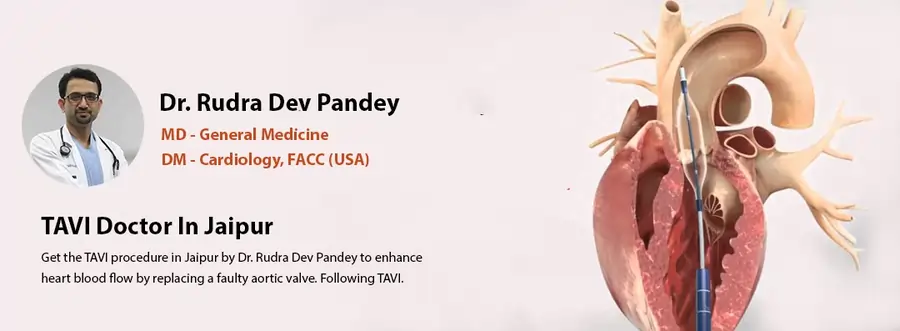
- TAVI for Selected Weak Heart Patients: TAVI is not a common treatment for all weak heart cases, but it can help when severe aortic valve stenosis causes heart failure. Dr. RudraDev Pandey, a TAVI specialist in Jaipur, does this minimally invasive valve replacement surgery on patients who meet certain criteria. This helps to improve symptoms and better heart function.
- Advanced Treatment or Surgery: If heart disease becomes severe, then doctors may recommend procedures like angioplasty, bypass surgery, or heart valve surgery. The treatment decision depends on the diagnosis and the condition of your heart.
Seeing an experienced Weak Heart Specialist in Jaipur like Dr. RudraDev Pandey on time ensures the accurate diagnosis, ethical treatment planning, and long-term care that focuses on improving quality of life and heart health.