Symptoms of chest pain
Early recognition of the signs is crucial for preventing critical heart health issues. This is because Chest Pain Treatment in Jaipur permits one to determine whether the distress is associated with the heart or something else. If you witness some of the aforementioned symptoms, you should consider seeking urgent medical intervention. Lastly, these are common symptoms of chest pain.
- Pressure, tightness, or heaviness in the chest.
- Pain spreads to the arm, neck, jaw, or back.
- Shortness of breath or difficulty breathing.
- Dizziness, feeling sick, or sweating.
- Fast or uneven heartbeat.
- Pain intensifies with exercise or tension.
Causes of chest pain
There can be several reasons behind chest pain, and it is crucial to know the exact cause to provide care in time. An expert, Dr. Rudra Dev Pandey, who provides Chest Pain Treatment in Jaipur, distinguishes between cardiac and non-cardiac causes for the right solution. Some of the major causes of chest pain are as follows:
- Heart-related causes: Angina, heart attack, myocarditis, or pericarditis might cause pressure, tightness, or pain in the chest.
- Lung-related causes: Issues such as pneumonia, pleurisy, or pulmonary embolism trigger sharp or stabbing pain that worsens on breathing.
- Digestive system causes: Acid reflux, gallbladder issues, or esophageal spasms might mimic heart pain.
- Musculoskeletal causes: Muscle strain, injury, or costochondritis, i.e., inflammation near the ribs, can trigger localized pain in the chest
- Anxiety and stress: Panic attacks or severe anxiety can also lead to discomfort in the chest, along with palpitations
A Chest Pain Clinic in Jaipur utilizes advanced tools and diagnostic techniques for fast identification in the early stage & delivers safe, effective treatment for long-lasting relief.
Diagnosis of chest pain
When it comes to chest discomfort, the right diagnosis and timely treatment can save your life. The Chest Pain Treatment Doctor in Jaipur, Dr. Rudra Pandey, relies on advanced diagnostic methods to identify the root of your problem. Only then will you receive the specialized treatment that you need. Your chest pain may warrant the following diagnoses:
- Medical History & Physical Examination: Doctors learn about your symptoms, lifestyle, and risk factors before examining the chest area for tenderness and irregularities.
- Electrocardiogram: Measures the heart’s electrical activity, helping doctors to detect rhythm abnormalities or early signs of a heart attack.
- Blood Tests: Doctors order blood tests to check for cardiac enzymes and other indicators of heart muscle damage or inflammation.
- Chest X-ray: Helps detect lung infection, fluid accumulation, or cardiac enlargement — all potential triggers of your chest pain.
- Echocardiogram: Uses ultrasound waves to examine the heart’s chambers, valves, and pumping strength.
- Exercise stress testing or TMT: Measures your heart’s reaction and allows doctors to identify concealed blockages or oxygen deficits.
- MRI or CT scan: Creates cross-sectional images to identify coronary blockages, clots, or structural heart abnormalities.
With expert evaluation and cutting-edge testing methods, Chest Pain Treatment in Jaipur offers patients assurance, assurance, and finally, recovery.
Stages of chest pain
Unlike other diseases, chest pain is not categorized into fixed stages. However, it can be assessed based on the intensity, frequency, and cause to determine the care urgency from the doctor’s viewpoint. Recognizing these patterns helps take action in time and prevent complications. Early consultation for Chest Pain Treatment in Jaipur ensures effective heart care. Here are the stages of chest pain:
- Mild Stage: It manifests as a dull ache or slight pressure in the chest or tightness. This is usually a vague sensation that could be attributed to muscle strain or stress and disappears after rest.
- Moderate stage: The sensation becomes persistent while radiating on the arm, jaw, or neck. This could be angina or a restricted blood flow warning that calls for evaluation with the Best Cardiologist in Jaipur.
- Severe stage: This is accompanied by intense shortness of breath, sweating, nausea, or dizziness. This is pathological and can be suspected of a heart attack or other severe conditions that require immediate attention from a Chest Pain Treatment Doctor in Jaipur.
Treatment of chest pain
Chest pains can be the cause of simple muscle strains to severe heart complications. Consulting a Heart Specialist in Jaipur would ensure an accurate diagnosis and timely care. With the appropriate resources and experience, doctors can identify the root cause early and prevent serious problems.
Non-Surgical Treatments:
- lifestyle modification: These include a balanced diet, managing stress levels, and maintaining physical fitness, all of which contribute to enhanced cardiovascular health.
- Cardiac rehabilitation: It is designed to facilitate recovery and strengthen the heart post-cardiac event.
- Oxygen therapy: It is designed to alleviate pain in patients with any lung- or oxygen-related chest discomfort.
- Physical therapy: Useful when pain is caused by muscle or skeletal issues.
Surgical intervention:
- Angioplasty and stent placement: This helps open the narrowed or blocked arteries, thus increasing the blood flow.
- Coronary artery bypass surgery: In case the blood flow to the heart is wholly blocked, one develops an alternate route to divert the flow.
- Valve repair or replacement surgery: In case of damaged heart valves, the surgeon repairs or replaces the valve to help maintain constant blood flow and reduce the strain on the heart.
Managing chest pain
Managing chest pain effectively begins with healthy lifestyle changes and simple home remedies that support heart function. These methods not only ease mild discomfort but also help prevent future complications when followed regularly. Early consultation for Chest Pain Treatment in Jaipur ensures professional guidance for long-term heart health.
- eart-Healthy Diet: Includes fruits, vegetables, whole grains, and low-fat foods; this will help decrease your cholesterol and improve your circulation.
- Exercise Regularly: Exercising lightly to moderately will help boost blood flow and heart strength.
- Manage Stress: By practicing yoga, meditation, or other exercises.
- Quit Smoking and Monitor Alcohol Intake: These are two lifestyle habits that have a significant negative impact on the heart, and these should be avoided.
- Maintaining a healthy weight: It is important to maintain overall fitness, which also lowers the risk of heart disease. Moreover, staying hydrated and getting plenty of Sleep are important to maintaining a better heart rhythm and higher energy levels.
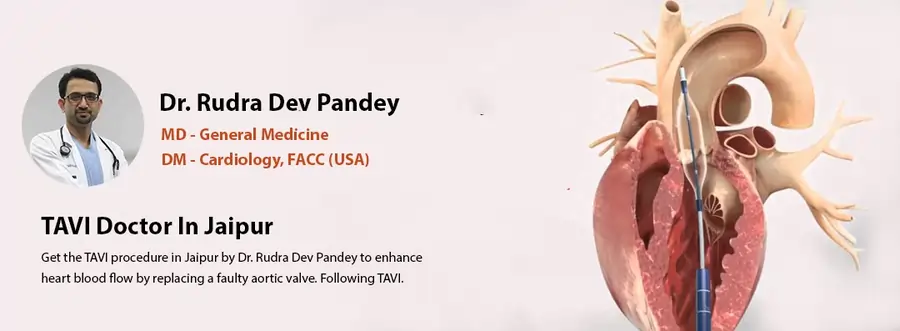
Furthermore, patients will also be able to receive advanced, minimally invasive heart care for structural or heart valve-induced chest pain under the guidance of a TAVI Specialist in Jaipur, i.e., Dr. RudraDev Pandey, to ensure a secure and efficient recovery process.